
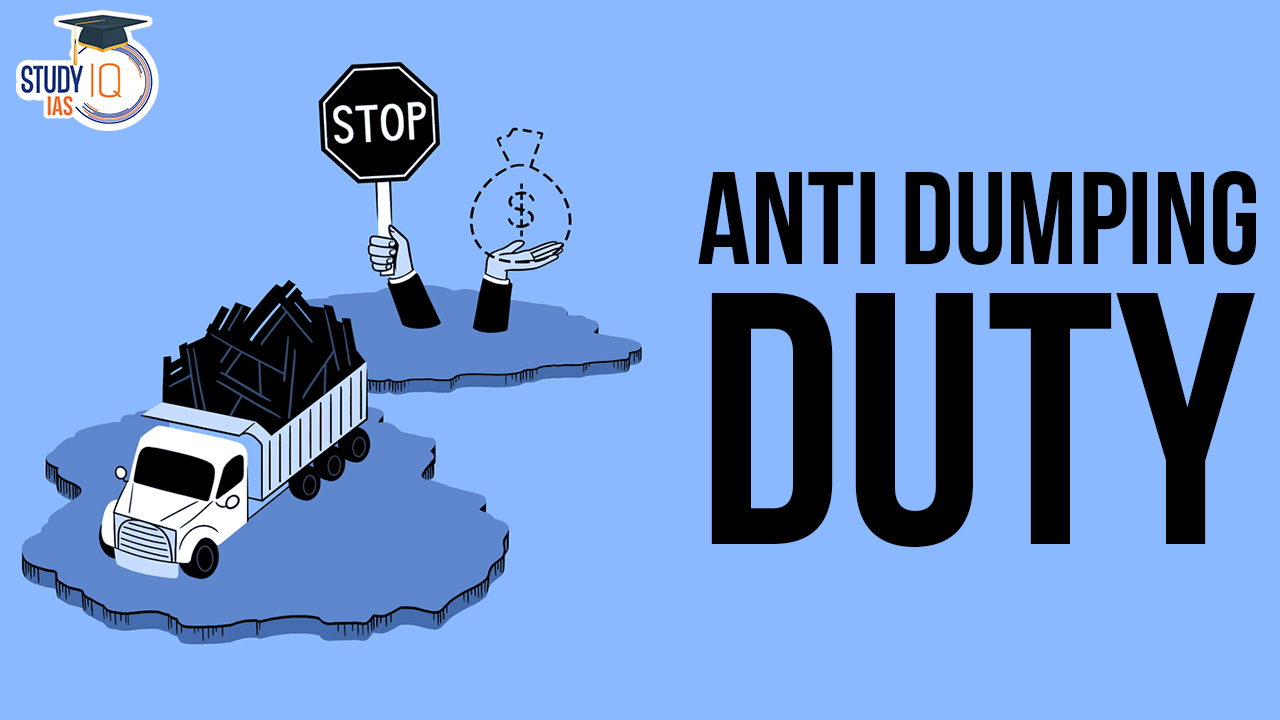
An anti-dumping tariff is a special import duty imposed on foreign goods sold below fair market value to protect domestic industries from unfair competition.
What is Dumping?
Dumping occurs when a foreign company sells a product in another country at a price lower than its normal value, often below the cost of production or the price in its home market, with the intent to gain market share or harm domestic competitors
Corporate Finance Institute
Corporate Finance Institute
This practice can lead to lost sales, reduced profits, and job losses in the importing country.
Purpose of Anti-Dumping Tariffs
Anti-dumping tariffs are designed to level the playing field by raising the cost of these unfairly priced imports, ensuring that domestic producers can compete fairly.
They are a key tool in trade defense, protecting local industries and workers from predatory pricing strategies.
How Anti-Dumping Duties Are Calculated
The duty is typically calculated as the difference between the normal value of the product in the exporting country and the export price in the importing country. For example, if a product normally sells for $100 in its home market but is exported at $70, the dumping margin is $30, which can translate into a duty rate of about 43%.
Rates can vary widely, from less than 1% to over 500%, depending on the case and whether the foreign company cooperates with the investigation.
Legal and Regulatory Framework
In the United States, anti-dumping duties are governed by Title VII of the Tariff Act of 1930 and administered through a bifurcated system: the Department of Commerce determines whether dumping has occurred and calculates the duty, while the U.S. International Trade Commission assesses whether the dumping causes material injury to domestic industries .
The World Trade Organization (WTO) also provides rules under the Anti-Dumping Agreement, allowing countries to impose duties only when there is evidence of material injury and ensuring non-discriminatory treatment among trading partners
Interaction with Countervailing Duties
While anti-dumping duties target company pricing behavior, countervailing duties (CVDs) address government subsidies that give foreign exporters an unfair advantage. Both measures aim to protect domestic industries but focus on different sources of unfair competition
Key Takeaways
Anti-dumping tariffs are import duties on goods sold below fair value.
They protect domestic industries from unfair foreign competition.
Duties are calculated based on the difference between normal value and export price.
Legal frameworks involve both national agencies and international trade rules.
They are part of a broader trade defence system, often used alongside countervailing duties to ensure fair competition.
These tariffs are essential for maintaining fair trade practices, though critics argue they can increase prices for consumers and complicate international trade relationships.
So to sum this up. Buyers choose cheaper products from plaves like China in order to obviously make more money by purchasing cheaper than they can locally. Then the government taxes the incoming goods which means that the buyer is wasting their time.